

Growing a tutoring business isn't just about helping students achieve better grades. It's about creating an experience that parents trust, tutors enjoy working in, and students want to return to week after week.
Many tutoring businesses begin with one excellent tutor and a handful of students. Growth often comes naturally through referrals. But as more students join, more tutors come on board, and operations become increasingly complex, the systems that once worked start to show their limits.
Double bookings become more common. Invoices take longer to send. Parent updates get delayed. Administrative work begins to consume time that should be spent improving learning outcomes.
This is where many tutoring businesses plateau—not because the teaching isn't effective, but because the business hasn't evolved alongside it.
The tutoring organizations that continue to grow successfully share one thing in common: they build strong operational foundations long before they become absolutely necessary.
Here are the essentials every growing tutoring business should focus on.
1. Know Exactly Who You're Helping
One of the biggest mistakes tutoring businesses make is trying to appeal to everyone.
Parents aren't simply looking for "a tutor." They're looking for someone who understands their child's specific needs—whether that's SAT preparation, middle school math, AP Chemistry, or college admissions coaching.
The clearer your positioning, the easier it becomes for parents to understand why they should choose you over countless alternatives.
Instead of saying:
"We teach every subject for every student."
Successful tutoring businesses communicate something far more specific:
College admissions specialists
ACT & SAT experts
K–12 math support
Reading intervention
STEM enrichment
Clarity creates confidence.
2. Build a Team That Delivers a Consistent Experience
Parents may remember the tutor, but they trust your brand.
As your tutoring business grows, consistency becomes more important than individuality.
That means having a structured hiring and onboarding process—not just looking for tutors with strong academic credentials, but ensuring they understand your teaching philosophy, communication standards, and expectations.
Consider including:
Subject competency assessments
Mock tutoring sessions
Background verification
Standard onboarding resources
Ongoing coaching and feedback
Every tutor should feel like they're representing the same business, not operating independently under your name.
3. Treat Scheduling as Infrastructure
Scheduling is one of those things that seems simple—until it isn't.
Managing a few students manually is manageable.
Managing hundreds of recurring lessons across multiple tutors quickly becomes a logistical challenge.
Parents expect flexibility.
Tutors expect clarity.
Administrators need visibility.
Without a structured scheduling system, it's easy for reschedules, cancellations, and availability conflicts to become daily frustrations.
Modern tutoring businesses increasingly rely on centralized scheduling systems that give tutors, administrators, and families a shared view of lesson availability and upcoming sessions.
This isn't about replacing human interaction—it's about removing unnecessary coordination.
4. Make Billing Feel Effortless
Billing should never become something parents have to think about.
When invoices arrive late, pricing feels inconsistent, or payment reminders become manual, confidence starts to decline.
Professional tutoring businesses create predictable financial experiences through:
Transparent pricing
Automated invoices
Recurring subscriptions where appropriate
Secure online payments
Clear payment history
When billing simply works, families spend less time managing payments and more time focusing on their child's education.
5. Make Student Progress Visible
Parents don't attend tutoring sessions.
They judge success by what they can see.
That's why documenting progress is just as important as delivering great lessons.
Whether it's lesson summaries, completed assignments, assessment scores, or skill improvements, visible progress gives parents confidence that their investment is producing meaningful results.
Rather than asking,
"How is my child doing?"
parents should already know.
The businesses that retain students longest are often the ones that make learning measurable.
6. Keep Learning Going Between Lessons
Learning doesn't stop when the session ends.
The most successful tutoring businesses extend learning beyond live instruction through structured assignments, revision activities, and guided practice.
A well-designed assignment workflow helps students:
Reinforce concepts
Stay accountable
Build stronger study habits
Arrive prepared for the next lesson
For tutors, it also provides valuable insight into where students may need additional support.
7. Communicate Before Parents Need to Ask
One of the easiest ways to build trust is through proactive communication.
Parents appreciate knowing what's happening without having to chase updates.
Simple touchpoints can make a significant difference:
Weekly lesson summaries
Upcoming assessment reminders
Progress updates
Homework completion notifications
Schedule confirmations
These small interactions reinforce professionalism and reassure families that their child's learning is being actively managed.
8. Protect Student Information
As tutoring businesses grow, so does the responsibility that comes with handling sensitive information.
Student records, contact information, assessment results, and payment details all deserve careful protection.
Having clear policies around data privacy, tutor screening, and secure record management isn't just good practice—it demonstrates professionalism and helps build long-term trust with families.
9. Build Systems That Support Growth
Many tutoring businesses rely on spreadsheets, personal calendars, email threads, and manual invoices during their early stages.
These tools work—for a while.
But as student numbers increase, disconnected systems often create more work than they solve.
Growing businesses benefit from bringing core operations together in one place, allowing scheduling, assignments, billing, communication, and reporting to work seamlessly instead of independently.
For many tutoring organizations, this shift reduces administrative overhead while creating a much smoother experience for tutors, parents, and students alike.
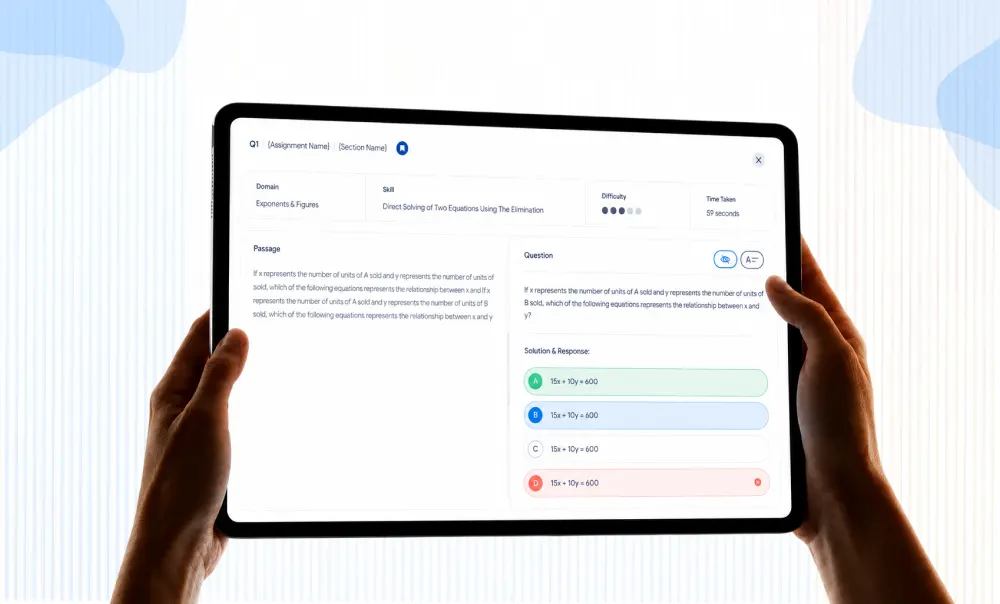
Platforms like Evallo are designed with this goal in mind—bringing together scheduling through Calendar, streamlined Invoicing, and structured Assignments into a single operational workflow. Rather than replacing the human side of tutoring, these tools quietly handle the administrative complexity so educators can spend more time doing what they do best: teaching.
Great Tutoring Businesses Don't Scale by Accident
Outstanding teaching will always be the heart of a tutoring business.
But exceptional teaching alone isn't enough to support long-term growth.
Behind every successful tutoring organization is a set of reliable systems that make the experience feel effortless—for students, parents, tutors, and administrators alike.
Reliable scheduling.
Transparent billing.
Visible student progress.
Consistent communication.
Professional operations.
These aren't simply administrative tasks—they're the foundations of trust.
And when families trust your business, they're more likely to stay longer, refer others, and become advocates for your brand.
Ultimately, the tutoring businesses that scale aren't necessarily the ones with the most tutors or the biggest marketing budgets.
They're the ones that make every interaction—from booking a lesson to reviewing progress—feel organized, dependable, and professional. That's the experience families remember, and it's what keeps them coming back.
Other Stories